







Search Results for: Costa Rica Blackberry
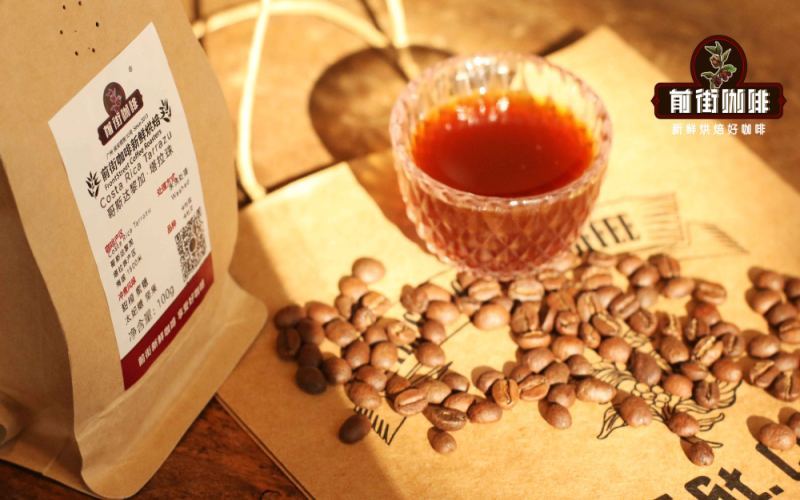
Costa Rica Red Honey Coffee Flavor Analysis: The Sweet-Acid Balance and Chocolate Texture of Las Haras Estate in the Central Valley
As the first country in Central America to cultivate coffee, Costa Rica boasts fertile volcanic soil and a suitable climate that nurture high-quality Arabica coffee with a balanced, mild profile and bright fruity acidity. This article focuses on Front Street Coffee's Costa Rica Las Haras Estate Red Honey processed coffee, offering an in-depth introduction to the characteristics of the Central Valley producing region, the background of Las Haras Estate, and its unique honey processing classification system. By comparing the pectin retention ratios and drying durations of Yellow Honey, Red Honey, and Black Honey, it analyzes how Red Honey processing delivers a substantial, syrupy mouthfeel and vivid fruity notes. It also shares the roasting curve and brewing parameters for Front Street Coffee's Blackberry Coffee, providing coffee enthusiasts with a complete flavor guide from producing region to cup. [more…]
Costa Rica Canet Estate Mozart Coffee: Flavor Analysis of Yellow Catuai and Red Catuai Varieties with Red Honey Processing
Located in the high-altitude Tarrazu region of Costa Rica, Canet Estate primarily cultivates passion fruit, producing limited quantities of coffee with exceptional quality. The Yellow Catuai variety grown in specific areas of the estate, after red honey processing, was named Mozart by Front Street Coffee, presenting rich flavors of strawberry, cherry, blackberry, and dried banana. This article will introduce the origin information of Mozart coffee, the variety background—the origins of Yellow Catuai and Red Catuai, as well as the specific process of red honey processing, and analyze its dry aroma, wet aroma, and sensory performance when sipping, helping coffee enthusiasts fully understand this specialty coffee with floral, fruity, and wine-like notes. [more…]
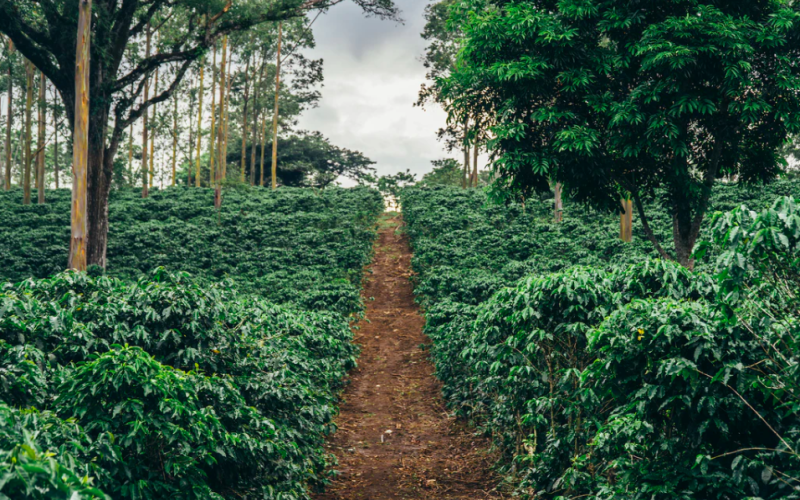
Costa Rica Brumas Estate Honey-Processed Coffee: A Complete Analysis of Honey King Flavor and Mouthfeel
Costa Rica is renowned for its consistently high-quality Arabica coffee, with honey processing being particularly iconic. Brumas Farm, located in the Central Valley, won the Best Coffee title in 2006 and is hailed as the "Honey King." This article guides you through Costa Rican coffee varieties and regional characteristics, offers an in-depth analysis of the flavor layers of Brumas Estate honey-processed coffee, and recommends two beans worth trying—Front Street Strawberry Candy and Front Street Blackberry—so you can experience the sweetness and complexity that honey processing brings. [more…]
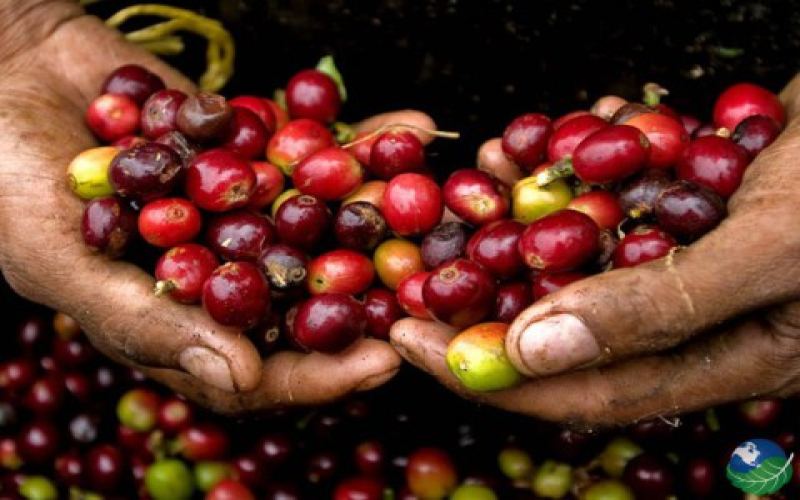
The Correct Way to Drink Costa Rican Coffee and a Guide to Pour-Over Bean Prices
Costa Rica is the first country in Central America to cultivate coffee and an important producer of specialty coffee worldwide. From the introduction of coffee trees in the 18th century, to a series of supportive government policies, to today's commitment to growing only Arabica varieties, Costa Rican coffee has earned global recognition for its exceptional quality. This article will guide you through the development history of Costa Rican coffee, government support policies, and the unique charm of the honey processing method. Meanwhile, we have selected three Costa Rican pour-over coffee beans from the Front Street brand—Blackberry, Strawberry Candy, and Mozart—each presenting the classic honey-processed flavor profile, the rich layers of the Geisha variety, and the alluring fruity aromas of fermented processing, helping you find the perfect cup for yourself. [more…]
Costa Rica La Loma Estate Coffee Bean Flavor Analysis: Cup Profile of Honey-Processed Gesha
Costa Rica's La Loma estate belongs to the Don Mayo Micro Mill family and has over twenty years of operating history, serving as an important symbol of the family's coffee legacy. The estate is located in Leon Cortes Llano Bonito in the Tarrazú region at an altitude of 1,950 meters, and in 2019 it won ninth place in the COE with a score of 88.66. Its coffee is processed using the honey method, with the variety being Gesha. In the cupping, it presents rich layers of honey, cherry, milk chocolate, vanilla, cocoa, blackberry, molasses, candy, pomelo, and black cherry, while the acidity is expressed as sweet orange and tartaric acid, with an elegant, syrupy, and balanced mouthfeel. This article will take you through the background story of this estate and the flavor characteristics of this bean. [more…]
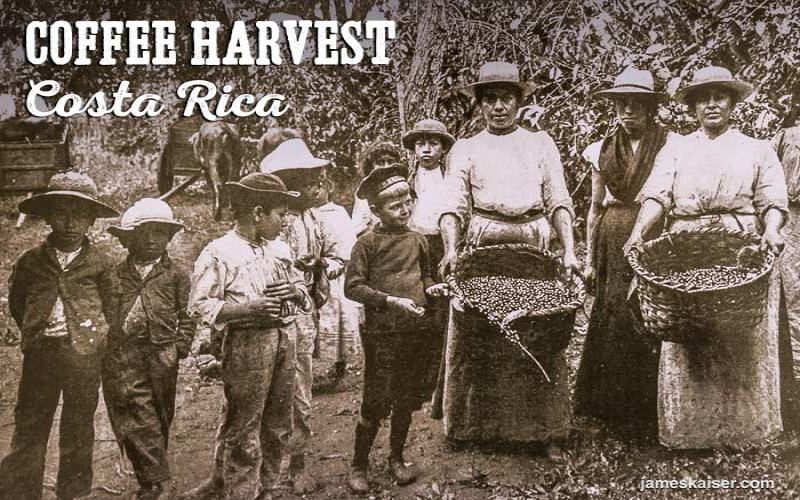
Flavor Profile and Estate Story of Costa Rica Fuego Phoenix Estate SHB Red Honey Process Green Coffee Beans
The Fire Phoenix Estate in Costa Rica's Central Valley is the earliest organic coffee producer in Central and South America to explore honey and natural processing methods. The estate sits on the fertile hills of the Poas Volcano, using a refractometer to precisely determine harvest timing, with coffee cherry sweetness reaching 21–22. This SHB-grade red honey green bean features Caturra and Catuai varieties, 18-screen size, presenting a thick, delicate flavor of dried fruit, vanilla, and honey. The honey process sits between natural and washed, retaining cleanliness while enhancing sweetness and caramel notes. Front Street Coffee's recommended Blackberry and Mozart are prime examples of the charm of Costa Rican honey processing. [more…]
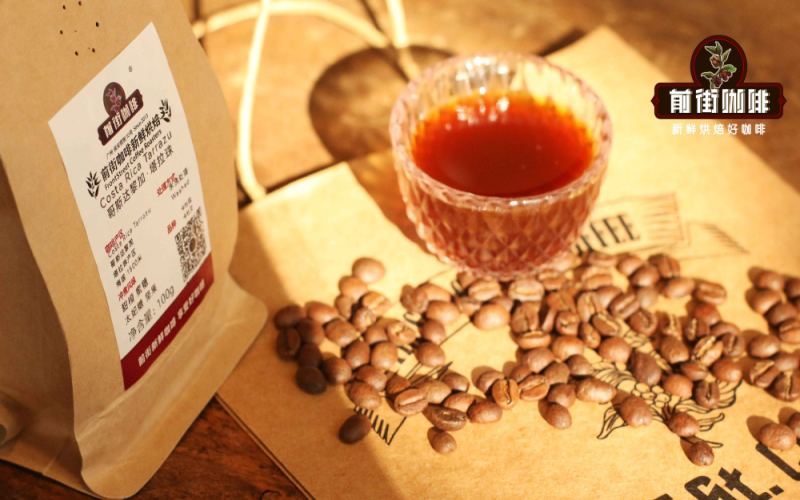
Analysis of Las Lajas Estate Black Honey Processing: How Sun Exposure Duration and Turning Rhythm Shape Flavor
Located in Costa Rica's Central Valley, Hacienda Las Lajas is one of the earliest pioneers to systematically study refined natural and honey processing. Estate owners Francisca and Oscar use a sweetness meter to select red cherries, and by varying the drying time and turning frequency on African raised beds, they subdivide honey processing into yellow honey, red honey, and black honey, and natural processing into Black Pearl and Black Soul. Among these, black honey processing retains the most mucilage, yielding a body close to that of natural coffee and a delicate sweetness reminiscent of dark berries. This article walks you through the processing logic of Hacienda Las Lajas and recommends single-origin coffees such as Front Street Coffee Washed Tarrazu, Front Street Coffee Mozart, Front Street Coffee Baja, and Front Street Coffee Blackberry, so you can experience the nuanced layers of Costa Rican coffee. [more…]

Where in Costa Rica is Front Street Bahia coffee produced? Why does raisin honey processing bring high sweetness?
Front Street Musician Series Bach is a coffee bean from the Tarrazú region of Costa Rica, processed using the raisin honey method, showcasing rich fruity aromas of strawberry, blackberry, and raisin with a wine-like fermented charm. This article will start from the origin information, processing techniques, flavor performance, and products in the same series to analyze the source of sweetness in Bach coffee beans, and introduce the technical characteristics of raisin honey processing, as well as the H1 variety and anaerobic honey processing technique used in the 2020 new crop season of Front Street Mozart. [more…]
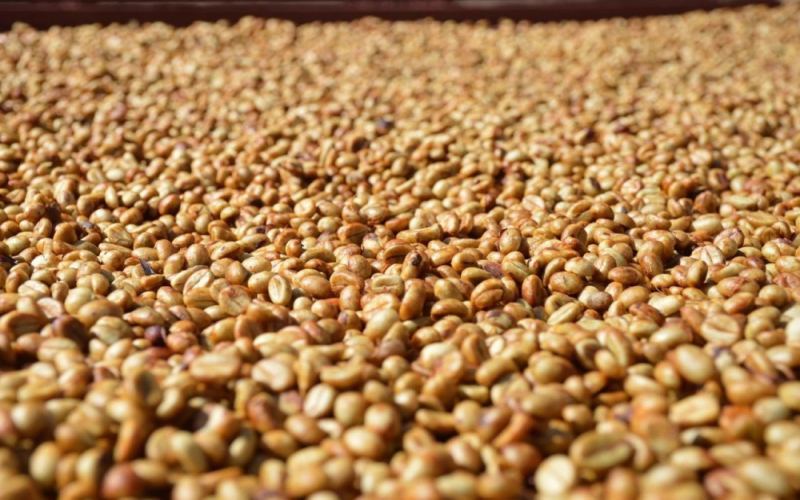
A Complete Guide to Costa Rican Honey-Processed Coffee: Flavor Differences Between White, Yellow, Red, and Black Honey
Costa Rica is famous for its extremely pure, soft, and balanced coffee style, and the introduction of the honey process has added richer body and sweeter layers to this producing region. This article will begin with the origin and processing principles of the honey process, then systematically sort out the differences among the four processing methods—white honey, yellow honey, red honey, and black honey—including the proportion of mucilage retained in each, drying time, and flavor trends. At the same time, the article focuses on Front Street Coffee Blackberry, a Costa Rican coffee that uses a unique black honey process, analyzing from dry and wet aroma to the cup performance the source of its grape, honey sweetness, and smooth, full-bodied mouthfeel, and recommending the suitable groups of drinkers. [more…]
A Complete Analysis of the Origin and Raisin Honey Processing Flavor Characteristics of Costa Rica Musician Series Bach Coffee Beans
The Bach coffee beans in Front Street Coffee's Musician series come from the Tarrazú region of Costa Rica and are processed using the raisin honey method, displaying rich fruity aromas of strawberry, blackberry, and raisin. The first sip is intensely sweet and tart, with a tipsy, red-wine-like bouquet in the middle and finish, while the candied sweetness and plum wine notes become even more pronounced as the cup cools. This article will explain in detail Bach's origin information, the process flow and flavor advantages of the raisin honey treatment, and introduce the processing methods and brewing suggestions for the Mozart and Strawberry Candy · Geisha blend in the same series. It will also analyze the H1 hybrid variety used in the 2020 new-crop Mozart and its anaerobic honey treatment characteristics. [more…]
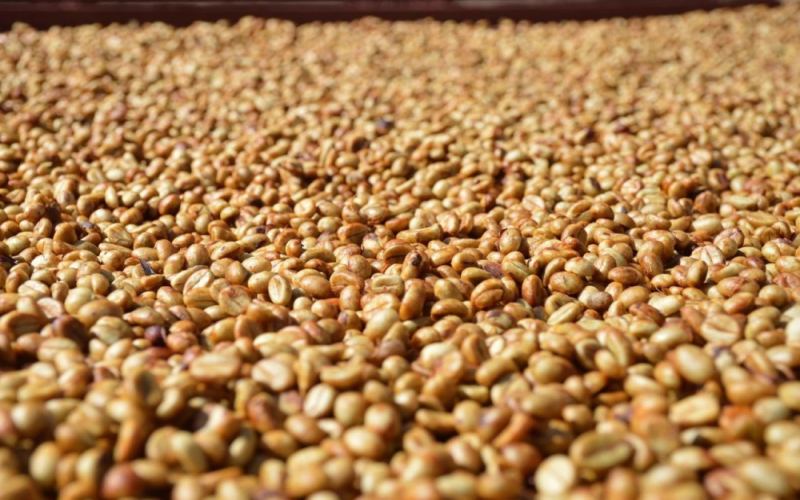
Honey-Processed Coffee Beans Buying Guide: Costa Rica's Regional Advantages and Three Front Street Recommendations
Honey processing is not about processing coffee with honey; it gets its name because the mucilage layer is as sticky as honey. This processing method retains the mucilage layer around the coffee bean, allowing sugars and acidity to seep into the bean during sun-drying, creating a unique flavor that balances sweetness and fruity acidity. Because Costa Rica has richer experience with honey processing and more stable quality control, it has become the preferred region for buying honey-processed coffee. This article explains in detail the principles, process, and flavor characteristics of honey processing, and recommends three distinctive honey-processed coffees from Front Street Coffee—Blackberry, Strawberry Candy, and Mozart—each suitable for espresso and pour-over enthusiasts respectively. [more…]
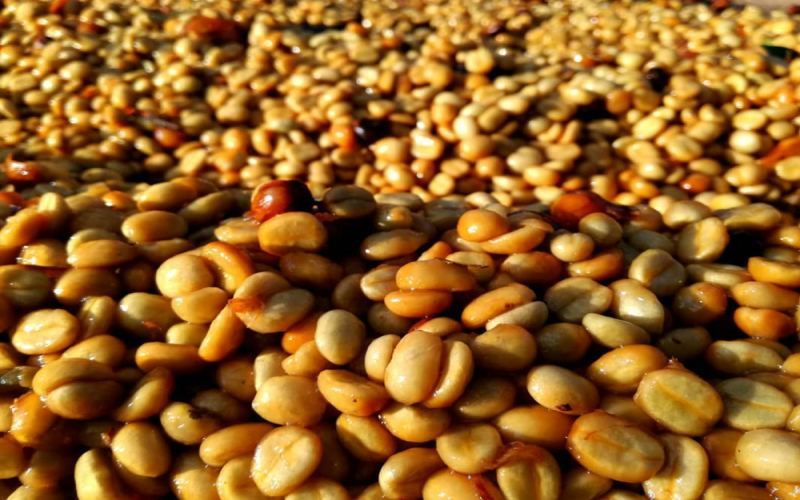
Why Is Costa Rican Coffee So Notably Sweet? A Flavor Profile Analysis of Honey-Processed Geisha Blend Beans
Costa Rican coffee is renowned for its outstanding sweetness, which is due both to the country's unique microclimates and high-altitude volcanic soil and to its strict control over the specialty coffee industry. As a key process for enhancing sweetness, honey processing preserves varying proportions of mucilage, giving coffee a diverse range of sweet expressions from caramel to dark berries. This article will analyze the sources of sweetness in Costa Rican coffee, explain in detail the classification and characteristics of honey processing, and recommend several representative honey-processed coffee beans from Front Street Coffee, including Geisha Blend, Blackberry, Mozart, and Strawberry Candy, to help readers fully understand the appeal of this processing method. [more…]
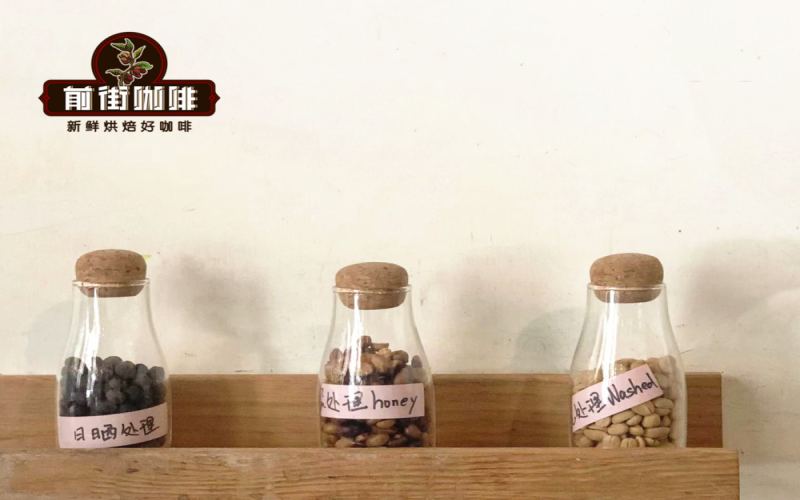
Honey Process Coffee Full Guide: Home Pour-Over Methods, Processing Grade Differences, and Front Street Coffee Bean Recommendations
Honey processing is a method of processing green coffee beans that falls somewhere between washed and natural, and it is especially common in Costa Rica and other parts of the Americas. By retaining part of the mucilage layer, it allows the coffee to ferment during drying, resulting in a unique flavor profile distinct from washed and natural coffees. This article will systematically introduce the complete honey processing workflow—from fruit collection, depulping, and drying to storage—and explain the characteristics of different grades and methods such as yellow honey, red honey, black honey, and raisin honey processing. At the same time, we will also share ideas for brewing honey-processed coffee at home by hand, and recommend beans worth trying such as Front Street Coffee Costa Rica Blackberry and Front Street Coffee Strawberry Candy, as well as specific origin information for Nicaragua Jim Molina Honey-Processed Red Bourbon, to help coffee lovers fully understand the appeal of honey-processed coffee. [more…]

From Yirgacheffe to Golden Mandheling: A Complete Guide to Choosing Front Street Coffee's Hand-Brewed Specialty Single-Origin Beans
What kind of beans deserve to be called specialty? And which one should a beginner start with for pour-over? This article begins with the "taste of place" proposed by Ms. Knutsen in 1974, outlines the SCAA's 80-point cupping standard, and introduces Front Street Coffee's lineup of over 50 beans cultivated over more than a decade, along with the freshness guarantee of roasting and shipping on the same day an order is placed. Then, following three main directions—floral and fruity, fermented winey, and traditionally rich—it explains one by one the origins and flavor characteristics of ten single-origin beans, including Yirgacheffe Red Cherry, Gutingding, Woka, Costa Rica Honey-Processed Blackberry and Mozart, PWN Golden Mandheling, Brazil, Blue Mountain No. 1, and Bird of Paradise, helping you find the cup that suits you best. [more…]
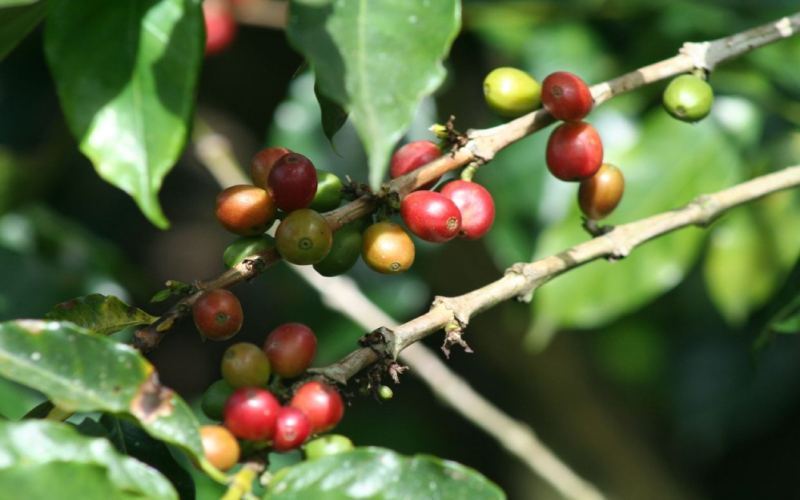
The Evolution and Classification of Costa Rican Honey-Processed Coffee Beans: A Complete Guide to Yellow Honey, Red Honey, Black Honey, and Raisin Honey Processing
Although Costa Rica introduced coffee from Cuba as early as 1729, it long supplied the United States with commercial beans, and its transition to specialty coffee is only a matter of the past decade. To increase export value, the government established a coffee trust fund, and estate owners turned to honey processing one after another, using fine fermentation to create distinctive flavors. This article will review this history, explain in detail the fermentation differences between white honey, yellow honey, red honey, and black honey, and introduce the innovative process of raisin honey processing. The article also specially includes representative products using honey processing methods, such as Front Street Blackberry, Front Street Mozart, and Front Street Strawberry Candy · Geisha Blend, for the reference of coffee lovers. [more…]
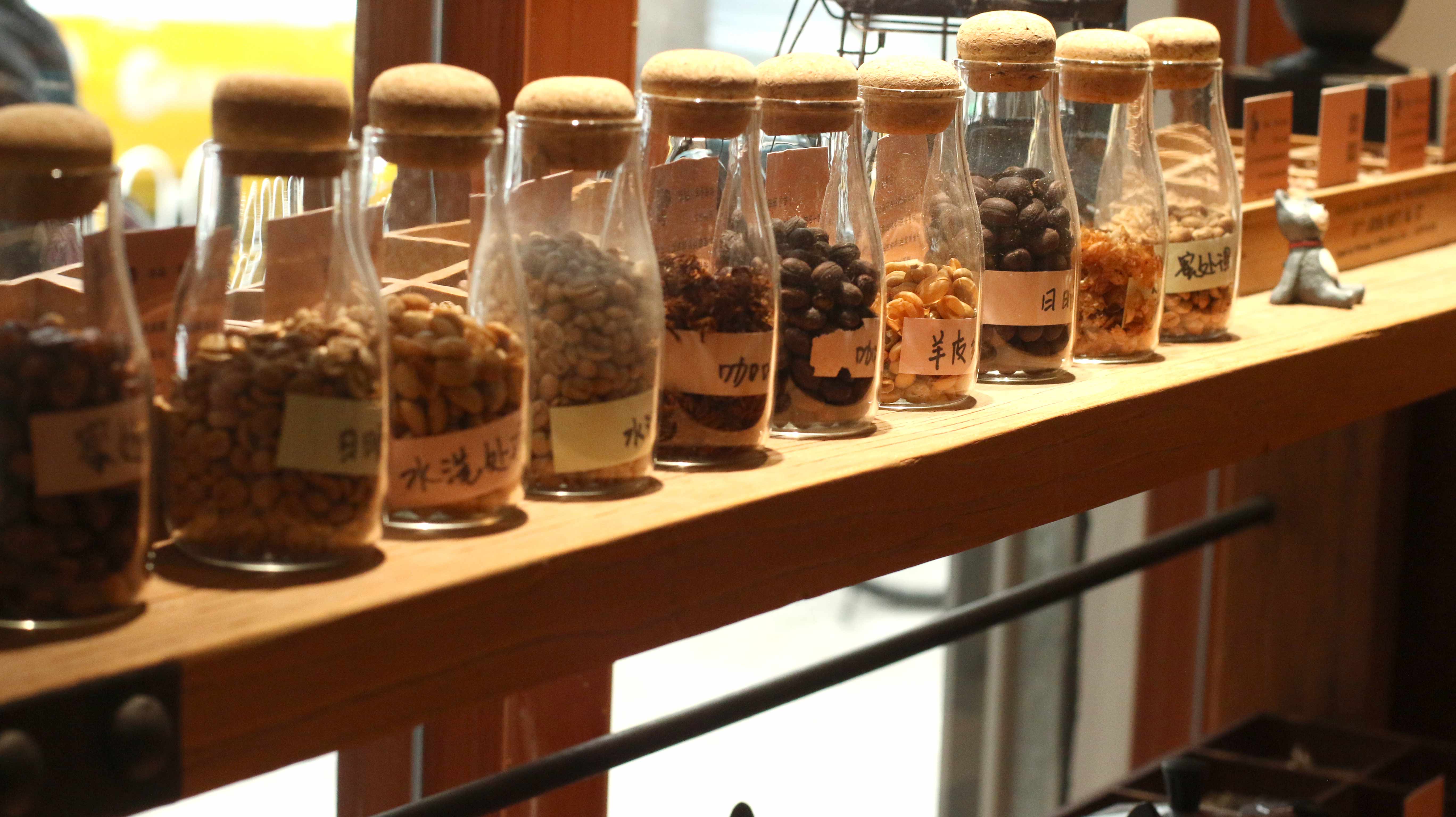
Honey-Processed Coffee Explained: Flavor and Price Differences from Pectin Retention Ratios to Yellow, Red, and Black Grading
Honey processing originated in Costa Rica. It is a processing method that draws on Brazil's pulped natural technique and improves upon it, and today it is also quite common in producing origins such as El Salvador. Local coffee farmers use it to improve bean quality and thereby earn better returns. Compared with changing tree varieties or relocating farms, improving the processing method is clearly more time- and labor-efficient. The key to honey processing lies in retaining the mucilage layer during drying. Depending on the amount of mucilage and the length of sun exposure, it is further divided into three levels: yellow honey, red honey, and black honey, with flavor, processing steps, and price differing accordingly. This article will provide a complete overview of the core knowledge of honey-processed coffee, from steps and flavor to grading standards and commercial considerations, and will also show you the specific performance of Front Street Blackberry, a Costa Rican black honey-processed bean. [more…]

What coffee beans should you choose to make an espresso with a prominent sweetness? A comprehensive analysis from brand and freshness to roast level
To make a cup of espresso with prominent sweetness at home, having a good coffee machine is far from enough—choosing the beans is the key to determining the upper limit of flavor. This article breaks down the logic of selecting espresso beans from three dimensions: brand selection, freshness, and roast level, and compiles four high-sweetness espresso beans that are deeply loved by customers, including Front Street Coffee Strawberry Candy Espresso Blend, Front Street Coffee Costa Rica Blackberry SOE, Front Street Coffee Colombia Purple Haze SOE, and Front Street Coffee Brazil Queen's Estate SOE, introducing each one's flavor profile and suitable audience, helping coffee lovers find a balanced espresso solution with ample sweetness between acidity and bitterness. [more…]
Pour-Over Coffee Starter Bean List: A Buying Guide and Flavor Analysis of Five Cost-Effective Everyday Beans
For hand-brew enthusiasts who have just stepped into the world of specialty coffee, choosing the right first bag of beans is often more important than choosing the right equipment. Expensive, famous beans certainly offer outstanding quality, but for everyday drinking, what matters more is a balance between flavor and price. This article selects five coffees that are both distinctive and affordably positioned, covering classic origins such as Brazil, Ethiopia, Panama, Costa Rica, and Colombia. It analyzes each one in turn, from flavor characteristics and brewing friendliness to suitable occasions, helping beginners find the cup that best suits their taste, while also including Front Street Coffee's actual roasting and brewing recommendations as a reference for those just starting out. [more…]
What coffee beans should you choose to make a sweet espresso? Three key points for buying espresso beans and four highly sweet espresso bean recommendations
To make a satisfying espresso at home, choosing the right coffee beans is often more important than technique. This article approaches the topic from three angles—brand, freshness, and roast level—to outline how to select espresso beans, and recommends four popular espresso beans with pronounced sweetness, including Front Street Strawberry Candy Espresso Blend, Front Street Costa Rica Blackberry SOE, Front Street Colombia Sidra SOE, and Front Street Brazil Queen's Estate SOE. Whether you prefer floral and fruity notes, a juicy mouthfeel, or nutty and chocolatey tones, you'll find the right direction here. [more…]

Which coffee roast level is more suitable for beginners? Flavor characteristics of medium-roast coffee beans and six Front Street Coffee bean recommendations
Green coffee beans must be roasted before they can be ground and extracted, and the degree of roasting directly influences the final flavor profile. The three common roast levels on the market—light, medium, and dark—each have their own characteristics: light roasts have bright acidity and fresh fruity notes, dark roasts are rich and intense with prominent smoky, charred aromas, while medium roasts fall somewhere in between, balancing acidity and bitterness with a mellow mouthfeel. They are the most friendly to coffee beginners and also work well with a variety of brewing devices such as pour-over, French press, moka pot, and espresso machine. This article, after outlining the differences among the three roast levels, focuses on introducing six Front Street Coffee medium-roast coffee beans suitable for beginners to try, covering Costa Rica Blackberry, Colombia Sidra, Costa Rica Mozart, PNG Bird of Paradise, 2013 Yunnan Typica, and Honduras Washed Catuai, explaining each one's flavor performance and processing method. [more…]